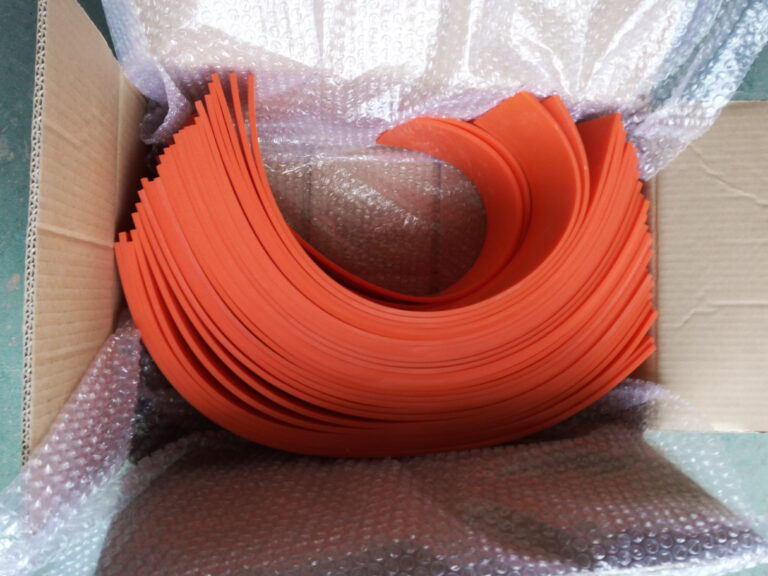
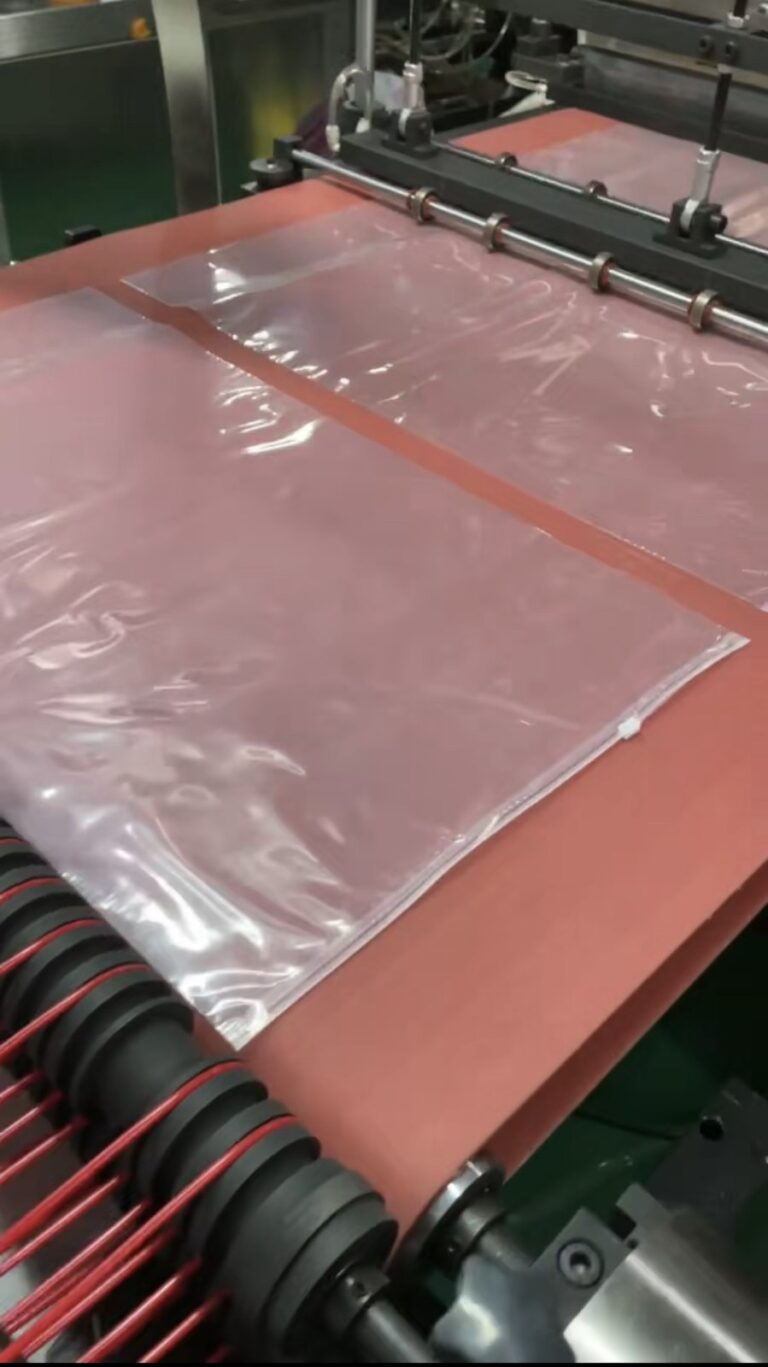
Silicone sheet is frequently specified by only two numbers: hardness and thickness. Those numbers are important, but they do not fully define how the sheet will seal, cushion, insulate or survive repeated heat cycles. A reliable specification also includes compound type, temperature profile, compression, surface finish, dimensions, tolerance and test method.
What Shore A hardness actually tells you
Shore A hardness is an indentation measurement commonly used for flexible rubber. A higher number indicates greater resistance to the specified indenter under the test conditions. It does not directly equal tensile strength, tear resistance, compression set or wear life.
ASTM D2240 notes that durometer hardness is empirical and depends on indenter geometry, applied force and viscoelastic behavior. For meaningful supplier comparisons, specify the scale, specimen preparation, conditioning and reading method. Thin sheet measured over a hard table can produce a misleading result; stacked specimens or a laboratory-prepared sample may be required by the agreed procedure.
Typical selection bands
| Typical Shore A band | General behavior | Common design questions |
|---|---|---|
| 30-40 | Soft, conformable and easy to compress | Will it extrude from the gap, tear at fasteners or take excessive set? |
| 50-60 | Balanced firmness and flexibility | Is the contact pressure sufficient to seal or grip without marking? |
| 70-80 | Firm, lower indentation and greater shape support | Can it conform to surface variation, and is bending required? |
These are starting bands, not universal guarantees. Formulation, cure system, fillers and post-cure can make two sheets with the same nominal hardness behave differently.
How thickness changes performance
Conformity and sealing
A thicker sheet can accommodate greater surface variation, but only if there is enough compressive load. Increasing thickness without checking compression can reduce stability or increase lateral bulging.
Thermal behavior
Thickness changes heat-up and cool-down time. A thick pad can create a temperature gradient between its hot face and its backing. Specify whether the quoted temperature is ambient air, metal surface temperature or actual rubber temperature.
Electrical insulation
Electrical performance depends on compound, thickness, defects, humidity, contamination and test method. Do not calculate a safety rating by multiplying a typical dielectric-strength number by thickness. Request test data and apply the equipment designer’s required safety factor.
Fasteners and cut parts
Thin parts can distort around bolts; thick parts can be over-compressed if the assembly has no compression stops. Hole-to-edge distance, washer diameter and corner radius should be defined on the drawing.
Use compression percentage, not bolt torque alone
For a pad or gasket, record initial thickness t0 and installed thickness t1. Nominal compression is:
Compression (%) = (t0 - t1) / t0 x 100
Bolt torque is an indirect input because friction, washer size, frame stiffness and temperature affect the actual compression. Mechanical stops or controlled gaps provide more repeatable assembly where compression is critical.
Specify the complete sheet
- Nominal hardness and test method
- Thickness, width, length and tolerances
- Color and surface finish on each side
- Continuous and peak temperatures with exposure time
- Contact media: air, water, oil, solvent, steam or food
- Required tensile, tear, compression-set or electrical data
- Regulatory documents required for the exact compound
Incoming inspection plan
- Condition samples at an agreed laboratory environment.
- Measure thickness at defined locations with a controlled contact force.
- Check hardness using the agreed ASTM or ISO method and suitable specimen support.
- Inspect for bubbles, inclusions, surface damage and edge defects.
- For cut parts, verify hole position and critical profile dimensions.
- Retain a dated sample for comparison after service exposure.
Illustrative improvement study
This is a test-planning example, not a claimed customer case. A heat-sealing pad produces uneven marks. The original response is to order a softer sheet. A stronger investigation measures platen flatness, temperature across the sealing width, installed compression and hardness after thermal aging. If the hot side is significantly softer or the compression map is uneven, correcting heater uniformity or adding controlled stops may improve consistency more than changing hardness alone.
For custom dimensions and compounds, review GRFFN silicone sheet products and include the complete operating profile with your inquiry.