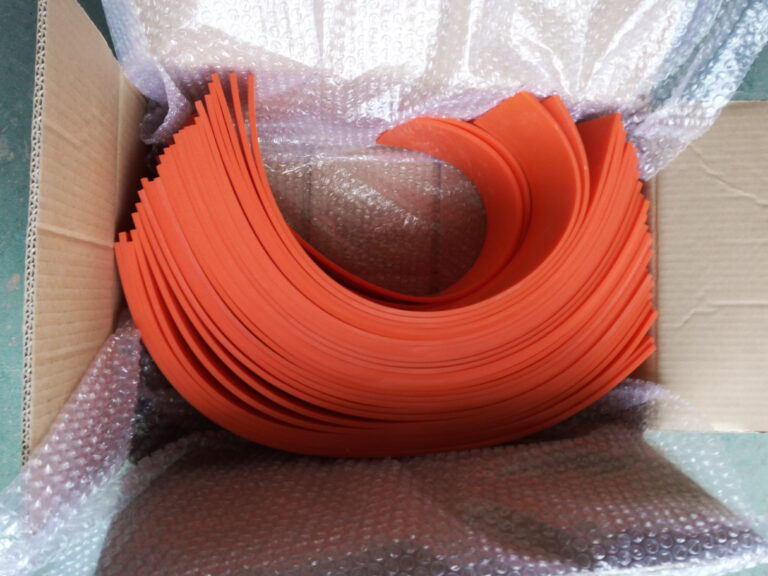
A corona treater sleeve must fit the ground roll, maintain electrical insulation and run concentrically at production speed. A nominal roll diameter and sleeve length are not enough for a reliable replacement. The roll should be measured at multiple positions, and the installation method must be agreed before the sleeve inside diameter is finalized.
Safety first
Corona treaters combine high voltage, rotating rolls, stored electrical energy and ozone exhaust. Follow the equipment manufacturer’s lockout, discharge and verification procedure before opening the station or touching the roll. This article does not replace the machine manual or site safety procedure.
Tools
- Calibrated outside micrometer or large-diameter caliper
- Pi tape for circumference measurement
- Steel rule or tape for face length
- Dial indicator and magnetic base for runout
- Feeler gauges and straightedge where needed
- Temperature probe to record measurement temperature
1. Identify the roll and machine
Record the treater manufacturer, model, station serial number, roll drawing number and operating speed. Photograph both shaft ends, shoulders, air fittings, grooves and the installed sleeve before removal. Note the web width and position because exposed areas outside the web path can age differently.
2. Measure the usable face length
Measure the cylindrical surface that the sleeve will cover, not the total shaft length. Record shoulder-to-shoulder distance and the required sleeve overhang or trim allowance. Identify any chamfers, radii or retaining features. Confirm whether final trimming is performed before or after installation.
3. Map the bare roll diameter
Remove residue without scratching the metal. Measure the bare roll diameter at the drive end, center and operator end. At each position, take readings in at least two directions approximately 90 degrees apart. This reveals taper, ovality and local wear that a single measurement misses.
If a Pi tape is used, convert circumference to diameter with D = C / pi. Record the raw circumference as well as the calculated diameter.
4. Check total indicated runout
Support the roll as specified by the OEM and place a dial indicator on the clean cylindrical surface. Rotate slowly and record total indicated runout at multiple axial positions. A new sleeve cannot correct a bent shaft, damaged bearing seat or severely eccentric core. Separate core correction from sleeve specification.
5. Define finished outside diameter and wall
Record the target finished outside diameter, or the required wall thickness if that is the controlled feature. Confirm whether the value applies before or after grinding and whether a final machining allowance is required. The electrical design, electrode gap and web path may limit the permissible diameter change.
6. Let the supplier determine installation interference
Do not assume that sleeve inside diameter equals bare roll diameter. The required interference depends on silicone formulation, wall thickness, sleeve length, installation method, temperature and surface condition. A useful reporting value is:
Interference ratio (%) = (roll OD - sleeve ID) / roll OD x 100
The acceptable value must be selected by the sleeve supplier and treater designer. Excessive interference can damage the sleeve or make installation impossible; insufficient interference can permit bubbles, movement or electrical problems.
Measurement report template
| Item | Required record |
|---|---|
| Machine | Manufacturer, model, serial number, speed and web width |
| Roll face | Usable length, shoulders, chamfers and trim method |
| Diameter map | Drive end, center and operator end; two directions each |
| Runout | Indicator position, support method and TIR values |
| Sleeve target | Finished OD, wall thickness, hardness and color |
| Operating data | Power, speed, temperature, cleaning and failure history |
| Installation | Air expansion tool, approved lubricant or OEM procedure |
Common measurement errors
- Measuring over adhesive, oxide or sleeve residue
- Using one diameter reading for a long roll
- Confusing total roll length with usable face length
- Ignoring temperature when measurements are made near a hot line
- Ordering from the old sleeve dimensions after it has stretched or aged
- Assuming a sleeve will compensate for excessive core runout
GRFFN manufactures corona treater silicone sleeves and tubes. Send the completed measurement map, roll photographs and installation method for review.